Safety Considerations for Commercial Concrete Sawing and Removal
People seeking commercial concrete sawing and removal often want safe, efficient ways to handle demolition or modifications, and local contractors can ensure proper safety measures are followed.
If you’re exploring safety considerations for commercial concrete sawing and removal, you’ve come to the right place. Property owners in the area often face the challenge of modifying or removing existing concrete structures, whether for renovations, expansions, or repairs. Ensuring safety during these projects is essential to protect workers, occupants, and the surrounding environment. Local contractors who specialize in concrete sawing and removal understand the importance of adhering to best practices and safety protocols, helping to minimize risks associated with dust, vibration, and debris.
Understanding the practical reasons for prioritizing safety can make a significant difference in project outcomes. Proper safety measures not only help prevent accidents but also contribute to smoother operations and compliance with industry standards. Service providers in the area are equipped to handle the complexities of commercial concrete sawing and removal while maintaining a focus on safety considerations, giving property owners peace of mind. Keep reading to learn more about how experienced local contractors approach safety and how they can support your project needs effectively.
- Commercial demolition projects - when existing concrete structures require removal with attention to safety protocols, local contractors ensure proper planning and equipment use.
- Interior remodeling involving concrete cutting - during renovations that involve cutting through floors or walls, local service providers prioritize safety considerations for workers and occupants.
- Floor removal and replacement - when old concrete flooring needs to be removed, local pros implement safety measures to prevent accidents and ensure structural stability.
- Utility line access and repairs - for projects that involve cutting through concrete to access underground utilities, local contractors focus on safety considerations to avoid damage and hazards.
- Structural modifications or retrofits - when modifying existing concrete structures, local service providers adopt safety practices to manage risks associated with sawing and removal processes.

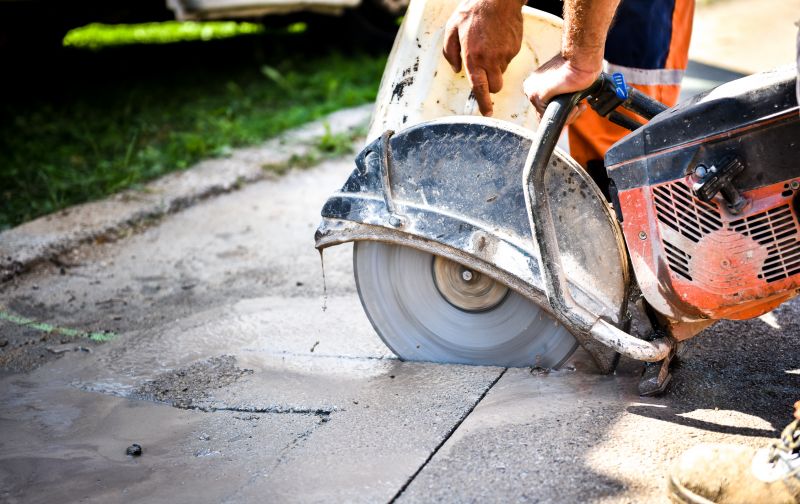
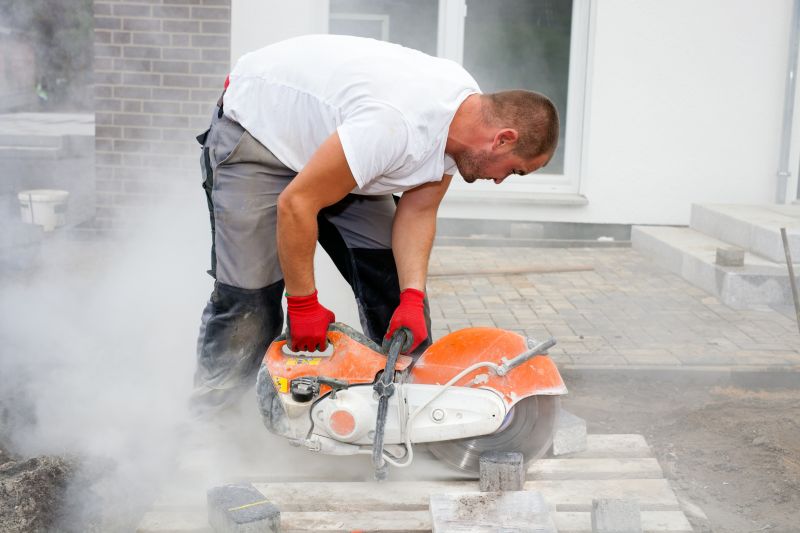
When searching for information on safety considerations for commercial concrete sawing and removal, most people are looking for guidance on how to ensure the work is performed without accidents or injuries. This topic often comes up in the context of planning large-scale renovation projects, building modifications, or infrastructure updates that require cutting through concrete structures. Property owners and project managers want to understand the risks involved, the best practices for minimizing hazards, and how to select service providers who prioritize safety during the process. The focus is on preventing damage to property, avoiding injury to workers or occupants, and ensuring the project complies with safety standards, even if formal licensing or certification details are not the primary concern.
These safety considerations are closely tied to a range of problems and plans involving concrete removal, such as creating openings for doors or windows, installing new utilities, or removing damaged sections of a building’s foundation. Each of these tasks involves cutting or removing concrete materials that can pose safety risks if not handled properly. For example, improper sawing can lead to flying debris, structural instability, or accidental damage to existing utilities. When planning such projects, property owners must consider the safety protocols that local service providers follow to mitigate these risks. This includes understanding how contractors manage dust, noise, and vibration, as well as how they protect workers and nearby structures during the process.
The types of properties that often require commercial concrete sawing and removal services include commercial buildings, warehouses, parking garages, industrial facilities, and multifamily residential complexes. These properties typically have large concrete surfaces that need precise cutting or removal to accommodate renovations, expansions, or repairs. In some cases, the structures are old or heavily used, making safety even more critical to prevent accidental collapses or damage. Homeowners who are undertaking extensive renovations or property managers overseeing large-scale projects may also seek these services. Regardless of the property type, the focus remains on ensuring the work is completed in a way that maintains safety standards and reduces the risk of accidents or property damage.
Connecting with local service providers experienced in commercial concrete sawing and removal can help property owners navigate these safety considerations effectively. These contractors understand the importance of planning the work carefully, using appropriate equipment, and following safety protocols to protect everyone involved. They can assess the specific needs of each project, identify potential hazards, and implement measures to control dust, noise, and vibration. By choosing experienced local pros, property owners gain access to skilled professionals who prioritize safety in every aspect of the job, helping to ensure that the project proceeds smoothly without incident.
Demolition projects - contractors handling building demolitions often use similar cutting tools and safety protocols as those in concrete sawing and removal, requiring careful planning and equipment management.
Foundation removal - this type of work involves precise cutting and breaking of concrete, making safety considerations essential for protecting workers and surrounding structures.
Road and pavement cutting - local service providers specializing in asphalt and concrete cutting for road repairs employ comparable safety measures and equipment used in commercial concrete sawing.
Structural modifications - projects involving cutting into load-bearing walls or beams require careful planning and safety precautions similar to those in concrete removal services.
Utility line installation - trenching and cutting through concrete surfaces for utility work demand specialized tools and safety practices comparable to commercial sawing operations.
Architectural concrete work - detailed cutting and shaping of decorative concrete surfaces require skilled handling and safety awareness akin to commercial concrete sawing and removal tasks.
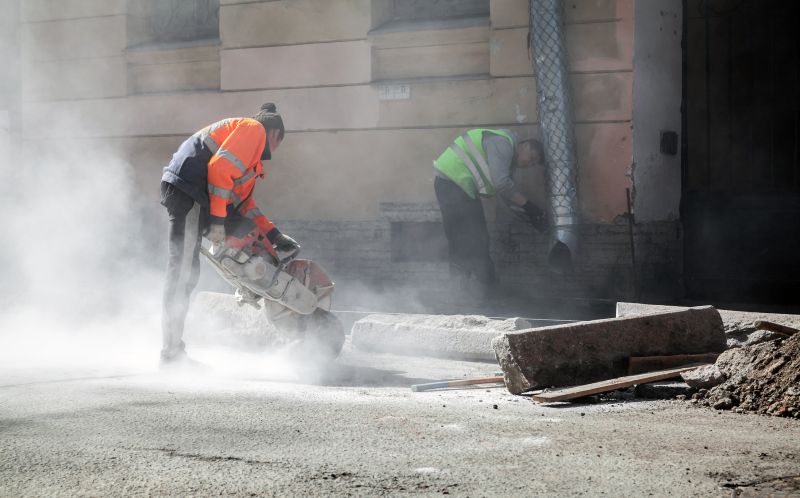
When comparing service providers for commercial concrete sawing and removal, it is essential to consider their experience with similar projects. Contractors who have successfully handled jobs comparable in scope and complexity are more likely to understand the specific safety considerations involved. Experience demonstrates familiarity with the necessary safety protocols, equipment handling, and potential hazards, which can contribute to a safer work environment. Homeowners should inquire about the types of projects a contractor has completed and seek out those with a proven track record in safe and effective concrete sawing and removal work.
Clear written expectations are a crucial factor when evaluating local contractors for this type of project. A detailed scope of work that outlines safety procedures, site preparation, and safety equipment ensures that all parties are aligned on safety standards. This transparency helps prevent misunderstandings that could lead to safety oversights or accidents. Homeowners are encouraged to review and discuss these expectations upfront, ensuring that safety considerations are explicitly addressed before work begins. Well-defined expectations can serve as a foundation for a safe and smoothly executed project.
Reputable references and good communication are key indicators of a reliable service provider. Contractors with positive references from previous clients often demonstrate a consistent commitment to safety and professionalism. Engaging with references allows homeowners to learn about the contractor’s safety record and responsiveness to safety concerns. Additionally, contractors who communicate clearly and promptly about safety protocols, project plans, and potential hazards help foster a safer work environment. Choosing a service provider that values open communication and has a history of satisfied clients can contribute significantly to a safer, more predictable project experience.
Property owners often search for safety considerations for commercial concrete sawing and removal when they are planning practical projects around their homes and businesses. Local pros provide Commercial Concrete Sawing and Removal services for everyday jobs and straightforward project options.
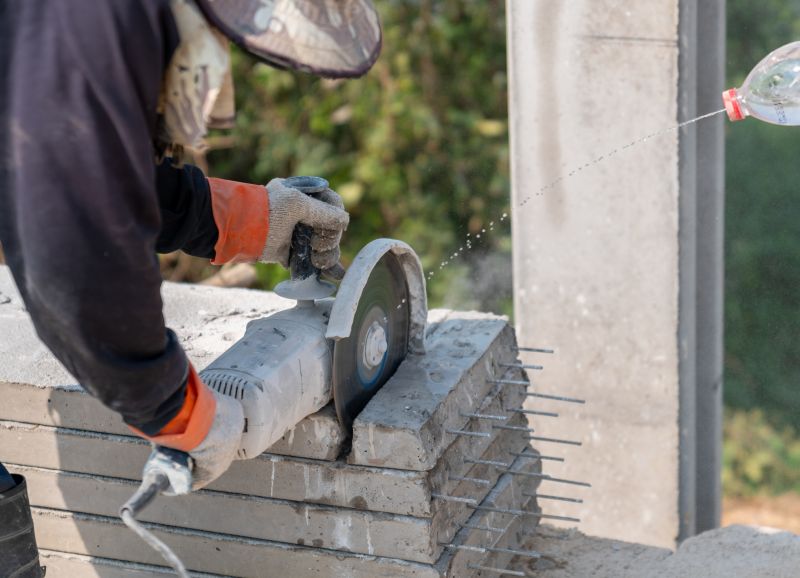
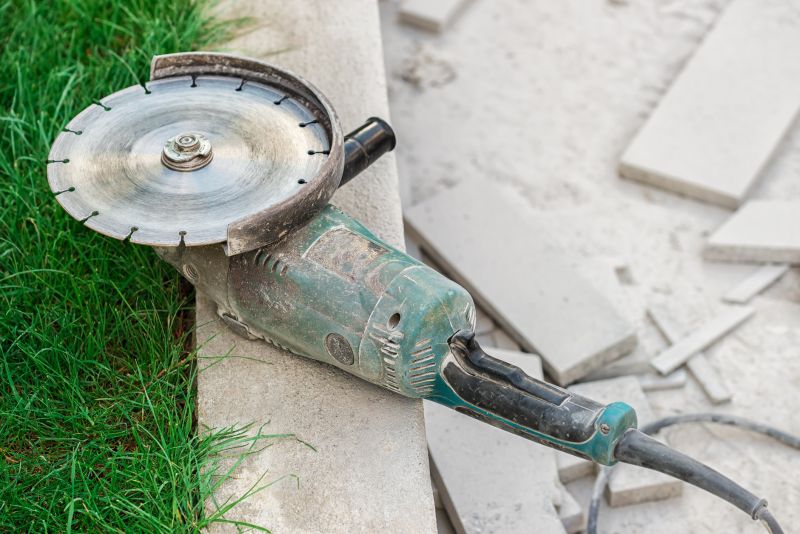
Safety considerations for commercial concrete sawing and removal are essential for property owners undertaking projects such as building renovations, sidewalk repairs, or basement modifications. These projects often involve cutting through concrete surfaces that are foundational to the structure, making proper safety protocols crucial to prevent accidents or damage. Local contractors who specialize in concrete sawing and removal are equipped to handle these tasks with safety in mind, ensuring that the work is performed efficiently while minimizing risks to workers and nearby property or occupants.
Property owners may seek out professional services for concrete sawing and removal to avoid potential hazards associated with improper equipment use or inadequate safety measures. Using the right tools and techniques helps prevent issues like flying debris, structural instability, or injury. Local service providers are familiar with safety standards and best practices, making them a reliable choice for managing the complexities of commercial concrete work safely and effectively.
What safety measures should be considered during commercial concrete sawing? Local contractors typically implement safety measures such as proper equipment handling, dust control, and the use of personal protective equipment to ensure safe operations during concrete sawing activities.
How do service providers ensure worker safety during concrete removal? Service providers often follow safety protocols including site assessment, secure work zones, and adherence to safety guidelines to minimize risks for workers involved in concrete removal.
Are there specific safety considerations for cutting through reinforced concrete? Yes, cutting reinforced concrete requires specialized equipment and techniques to safely handle embedded steel reinforcement, reducing the risk of equipment failure or accidents.
What precautions are taken to prevent damage to surrounding structures during sawing and removal? Local contractors assess the site thoroughly and employ controlled cutting methods to prevent unintended damage to nearby structures or utilities.
How can property owners contribute to safety during concrete sawing and removal? Property owners should ensure clear communication with service providers about the work area, remove obstacles, and stay clear of active work zones to support safety efforts.
Proper equipment handling - Ensuring that power tools are operated correctly can prevent accidents during concrete sawing and removal projects, and local contractors can provide guidance on safe operation.
Site assessment and preparation - Conducting a thorough evaluation of the work area helps identify potential hazards like structural weaknesses or underground utilities, which local service providers can help address.
Personal protective equipment - Using appropriate safety gear such as goggles, masks, and gloves reduces the risk of injury, and local pros can advise on the necessary protective measures for each project.
Dust and debris control - Implementing dust suppression techniques minimizes airborne particles, making the work environment safer, and experienced contractors can incorporate these safety considerations into their services.
If you are thinking about safety considerations for commercial concrete sawing and removal for a property, this guide is meant to help you understand this topic, the typical project types, and how different options might fit your plans.
When you are ready, you can use the quote form on this page to share a few details about your project. From there, local pros can review the basics and follow up with options that match what you have in mind.